
Secretary of State Clinton insists that the US position on an Israeli settlement freeze has not changed after a firestorm of criticism from Palestinian and Arab officials and media regarding her comments earlier this week in Israel. The Christian Science Monitor interviews and This Week in Palestine profiles Prime Minister Salam Fayyad, who complains Israel is being allowed to set the agenda for peace. Jewish settlers seize control of a Palestinian home in occupied East Jerusalem. Israeli military officials claim Hamas rockets could reach Tel Aviv. The BBC explains that the occupation has forced Palestinian artists in Jerusalem "underground." Fatah co-founder Sakher Habash dies at 70. The PLO is considering all factions running on the united ticket against Hamas in Palestinian elections announced for January.
Israeli police arrest an American-born Jewish terrorist accused of killing both Palestinians and Jewish Israelis, while a commentary in Ha'aretz says that if he had confined his attacks simply to Arabs he would not have been caught. Secretary of State Clinton seemingly softens the US stance on an Israeli settlement freeze, while Palestinian Pres. Mahmoud Abbas insists this is a precondition for resumption of negotiations. Reuters analyzes his options, and The National looks at a future without Abbas. The Washington Post says the Jordan Valley could be a sticking point in any future talks. James Wolfensohn, former head of The World Bank, says that the PA's two-year state building plan is "a very smart move." Raghida Dergham lays out a strategy for Palestinians to advance the Goldstone report through the UN General Assembly rather than getting buried in the Security Council. In the Guardian, Hussein Ibish argues that the PA state and institution building plan complements Palestinian diplomacy and constitutes an effective program of practical resistance to the occupation.
Scott MacLeod defends Human Rights Watch against criticism that it's been unduly critical of Israel. A Reuters analysis argues that President Abbas is seeking to use Palestinian elections to reunite the West Bank and Gaza, and the President warns that Israel's measures are leading to potential violence and that Prime Minister Netanyahu "hasn't changed" since his first term in the 1990s. Special Envoy George Mitchell and Secretary of State Clinton are set to meet with Palestinian and Israeli leaders. Rabbi Eric Yoffie argues in Ha'aretz that settlements are antithetical to peace. The Independent highlights the exemplary plight of a student expelled by Israel from the West Bank to the Gaza Strip just before graduation. The National argues that Hamas opposition to Palestinian elections exposes its motivations and Daoud Kuttab says that elections are essential to the Palestinian people.
The New York Times looks at how Palestinian women's soccer teams are fighting for both gender equality and national independence. The Boston Globe calls on Israel to stop provocative excavations in Jerusalem. UN Secretary-General Ban Ki-moon says the city must serve as a capital for both states and calls for reconstruction in Gaza. Numerous articles examine the significance of the first annual conference of the new pro-peace, pro-Israel organization J Street. Israeli Vice Prime Minister Moshe Ya'alon says he will avoid visiting Europe for fear of arrest, and Israel's ambassador to the UN says the Goldstone report will remain a problem even if an internal investigation is launched. Seth Freeman argues that greater cooperation between the IDF and extremist settlers shows the growth of
religious-nationalist politics in Israel.
Hamas announces it will ban elections in Gaza, as NPR highlights the group's declining popularity and the New York Times profiles the threat to its rule from more extreme Islamic groups. A number of articles and commentaries consider the implications of the first J Street conference. The 2009 State Department International Religious Freedom Report says Israel continues to discriminate against religious minorities. Ha'aretz reports that the US is considering "indirect" Israeli-Palestinian talks as the next phase of the peace process, but other reports suggest that Arab states are urging the Palestinians to reenter negotiations without preconditions. In The Guardian, Ahmad Khalidi argues that the PA plan for institution building focuses too much on the West Bank and might weaken the Palestinian hand in negotiations with Israel.
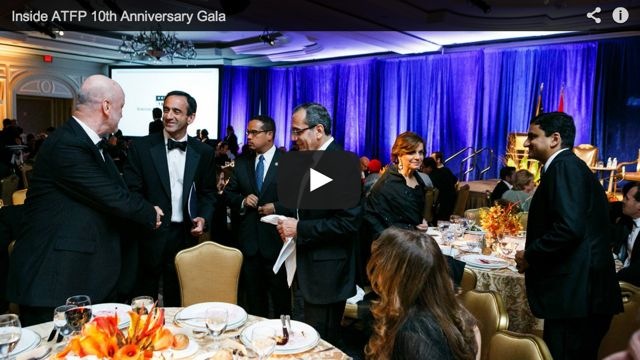
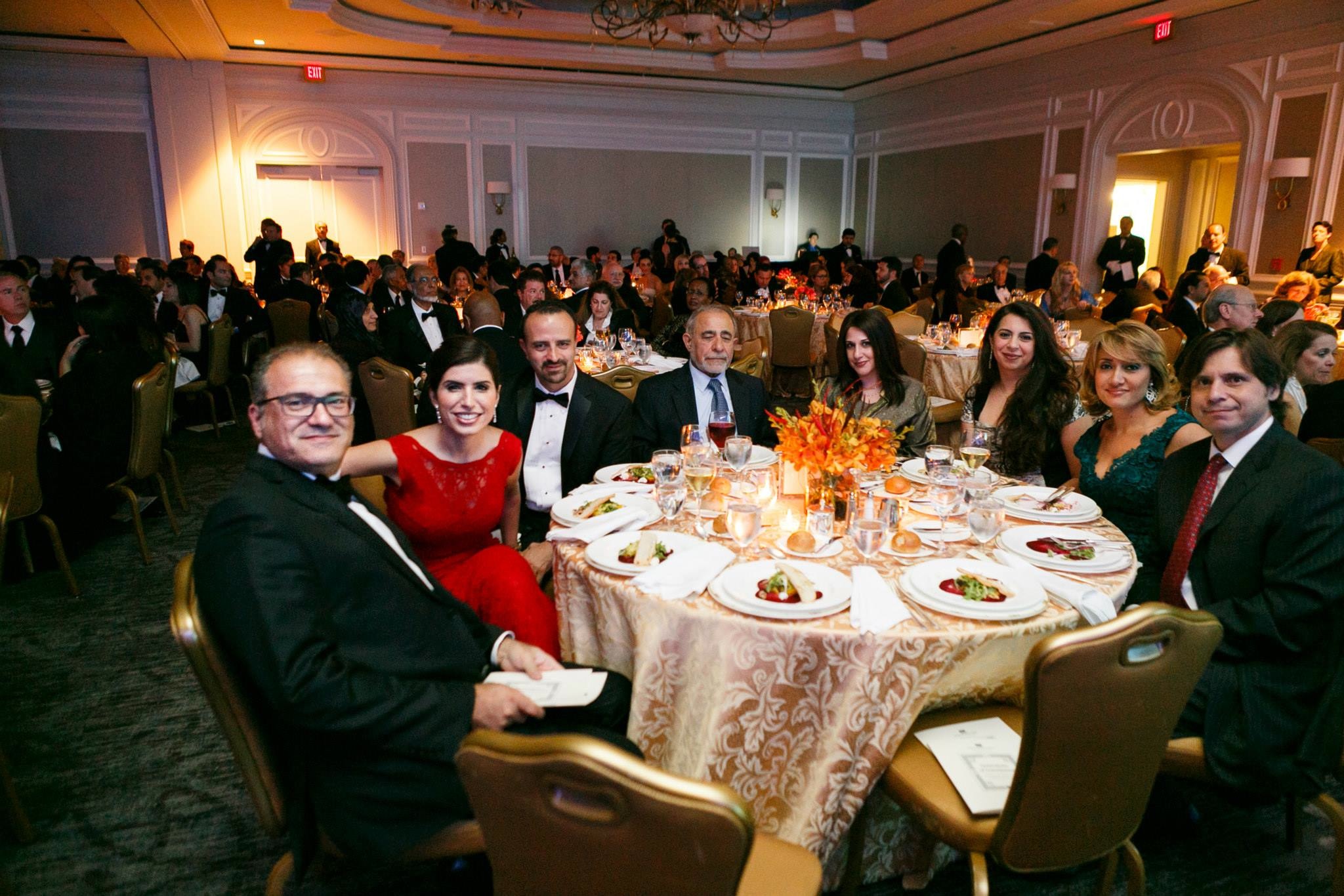
President Abbas reportedly tells President Obama he may not run in scheduled Palestinian elections if Israel does not begin to cooperate on peace talks, and PLO officials complained that Israel is portraying the Palestinians as "untrustworthy bastards." The New York Times highlights isolation and despair among professionals in Gaza, while the PA tries to prevent Israel's closing of Gaza's main fuel terminal.Hamas reportedly eases strict enforcement of religious social conservatism. Two Israeli soldiers are injured in the process of demolishing a Palestinian home. Reuters' Alastair Macdonald explains the intense restriction of movement in the West Bank. Israeli settlers begin their annual attacks on the Palestinian olive harvest. Amnesty International accuses Israel of withholding water from Palestinians in the West Bank. An Israeli army judge claims that all Jews have a religious right to West Bank land and Palestinians have none. The Guardian profiles Palestinian American comedienne Maysoon Zaid who performed at the ATFP Gala earlier this month.
Tensions again mount in occupied East Jerusalem as Israeli police clash with Palestinian demonstrators, and Jewish extremists call for building a "Third Temple." Lally Weymouth of the Washington Post separately interviews Prime Ministers Fayyad and Netanyahu, as well as President Peres. President Abbas says his decision to schedule Palestinian elections for January is "irrevocable," leading to considerable speculation in the Arab press about the consequences. J Street's first annual conference opens amid controversy. The Israeli cabinet sets up a team to consider responses to the Goldstone report. Turkish Prime Minister Erdogan claims that Israeli Foreign Minister Lieberman "threatened to use nuclear weapons against Gaza." Jordan and Israel mark 15 years of cold but stable peace.
Judge Goldstone asks the United States to clarify its concerns about his report into the Gaza war. Secretary of State Clinton reports modest progress on Middle East peace to President Obama, but Special Envoy Mitchell says he is "not in the slightest discouraged." The LA Times profiles a new Palestinian version of Sesame Street. Israel confirms increased settlement activity including in outposts. Protesters assail former Prime Minister Olmert in San Francisco after a similar incident in Chicago. Foreign Minister Lieberman complains that the PA cannot negotiate with Israel locally and combat it on the international stage simultaneously. The Israeli High Court of Justice orders the IDF to allow Palestinians to drive on some "Jewish-only" roads in the West Bank. The BBC profiles costs to the people of Gaza from Hamas rule. In Foreign Policy, Rebecca Abou-Chedid says Arab and Jewish Americans can and should work together to promote Middle East peace.
A new poll of Palestinian public opinion finds strong support for Fatah, Pres. Abbas, Prime Minister Fayyad, new elections and the West Bank police. Israel launches another attack on Gaza smuggling tunnels, but the border area has become a shopping hub. US Ambassador to the UN Susan Rice says that Israel must do more than pay "lip service" to the peace process. Egypt continues to press Hamas to sign a national reconciliation agreement, with the PA vowing to call new elections. The Independent profiles the plight of Palestinian refugees in Arab states. The Forward examines Robert Wexler's surprise move from Congress to the think-tank world. In the Daily Star, Ghassan Rubeiz highlights innovations in Arab and Jewish American activism being pioneered by J Street and ATFP.
Israel hardens its stance on the Goldstone report and will seek to change the international laws of war, although its cabinet is split on an internal independent inquiry. China joins Russia and the US in pledging to block consideration of the report at the Security Council. Goldstone writes that Israel could defuse the crisis by launching its own internal investigation. Pres. Abbas says that he will announce elections for Jan. 24, despite objections from Hamas. Palestinian negotiator Saeb Erekat says the US should blame Israel for stalled peace talks. Prime Minister Fayyad reiterates that the occupation must end. The JTA analyzes the tense Obama-Netanyahu relationship. An original ATFP translation of an article printed in several Arab newspapers by Khairallah Khairallah and another from the Arab News profile last week's ATFP Gala.